


Eat 30 Plant Foods Per Week (Without Overthinking It)


If the idea of counting anything makes you want to hide in the pantry, take a deep breath. Eating 30 different plant foods per week isn’t about perfection, restriction, or complicated math. It’s about variety—and variety is one of the most powerful (and underrated) tools for gut health, metabolic health, and long‑term vitality.
Let’s break this down in a realistic, mom‑friendly, plant‑based way.
Where Did the “30 Plants per Week” Idea Come From?
This concept comes largely from Dr. Tim Spector, a physician, epidemiologist, and professor of genetic epidemiology at King’s College London. He’s also the co‑founder of the ZOE research project, one of the largest ongoing nutrition studies in the world.
Through studying thousands of people’s diets, blood sugar responses, and gut microbiomes, Spector’s team found something fascinating:
People who regularly ate 30 or more different plant foods per week had more diverse and resilient gut microbiomes than those who ate fewer..
Translation? It’s not just plant‑based that matters—it’s plant diversity.

Why Does Eating 30 Plant Foods per Week Matter?
1. A Healthier, More Diverse Gut Microbiome
Different plant foods feed different strains of beneficial gut bacteria. More plants = more types of fiber, polyphenols, and resistant starches = a stronger, more adaptable gut.
A diverse microbiome is associated with:
Better digestion
Lower inflammation
Stronger immunity
Improved mental health
Better metabolic health
2. Improved Blood Sugar & Heart Health
Many plant foods—especially beans, whole grains, vegetables, nuts, and seeds—slow glucose absorption and improve insulin sensitivity.
This is especially important in perimenopause and menopause, when insulin resistance can sneak up even if “nothing has changed.”
3. Natural Appetite Regulation
Fiber‑rich plant foods help regulate hunger hormones, increase satiety, and reduce cravings—without tracking calories or macros obsessively.
4. Longevity & Disease Prevention
Higher plant variety is associated with reduced risk of:
Cardiovascular disease
Type 2 diabetes
Certain cancers
Neurodegenerative diseases
Pretty impressive for something that starts with eating more beans and berries.
Why Get Fiber From Whole Plant Foods Instead of Supplements?
Fiber supplements may add bulk, but they don’t come close to what whole plants offer.
Whole Plant Foods Provide:
Multiple types of fiber (soluble, insoluble, fermentable)
Polyphenols (plant compounds that feed beneficial microbes)
Micronutrients that work synergistically with fiber
Fiber supplements usually provide one isolated fiber. Your gut microbes want a buffet, not a single snack.
Think of it this way:
Fiber supplement = multivitamin
Whole plant foods = fully catered, nutrient‑dense meal 🍽️

What Counts as a “Plant Food”?
Good news: this is more generous than you think.
Each unique plant counts once per week, no matter how many times you eat it.
Plant Foods That Count:
Vegetables
Leafy greens (spinach, kale, arugula)
Cruciferous veggies (broccoli, cauliflower, cabbage)
Root vegetables (carrots, beets, sweet potatoes)
Starchy vegetables (potatoes, winter squash)
Fruits
Fresh, frozen, or dried (no sugar added)
Whole Grains
Oats, quinoa, farro, barley, brown rice, millet
Legumes
Beans, lentils, chickpeas, peas
Nuts & Seeds
Almonds, walnuts, chia, flax, hemp, pumpkin seeds
Herbs & Spices (yes, they count!)
Turmeric, cinnamon, oregano, basil, garlic, ginger
Fermented Plant Foods
Sauerkraut, kimchi, miso, tempeh
What doesn’t count? Ultra‑processed foods where the plant is barely recognizable.
How to Eat 30 Plant Foods per Week (Without Making It a Full‑Time Job)
1. Fruit Salad = Instant Variety
One bowl can easily contain:
Blueberries
Strawberries
Kiwi
Banana
Pomegranate seeds
That’s 5 plants before breakfast.
2. Trader Joe’s Cruciferous Crunch Hack
That one bag includes:
Kale
Brussels sprouts
Green cabbage
Red cabbage
Broccoli
Five plants. One bag. Zero chopping.
3. The Seed Mix Shortcut
Mix together:
Ground flax
Chia seeds
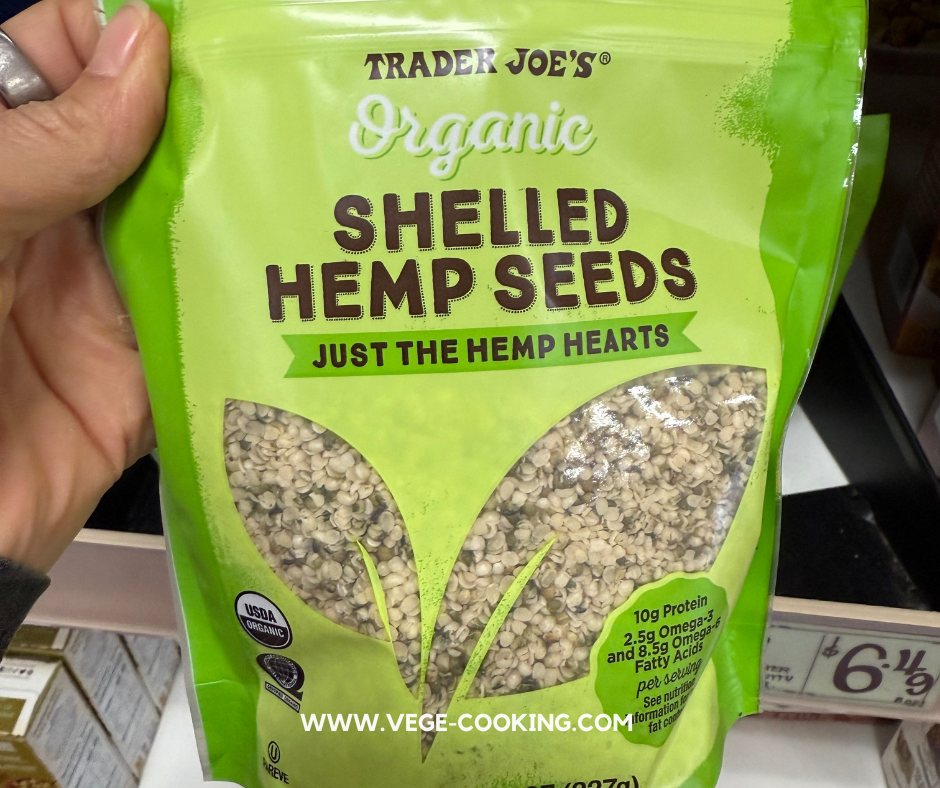
Hemp seeds
Sprinkle on oatmeal, salads, soups, or smoothies.
Boom—3 plants, daily.
4. Mixed Grains in the Pressure Cooker
Cook a batch of:
Quinoa
Farro
Barley
Brown rice
Use it all week in bowls, salads, and soups.
5. Bean Variety = Gut Gold
Instead of one bean, mix them up:
14‑Bean Soup or Mixed‑Bean Chili using:
Black beans
Kidney beans
Pinto beans
Lentils
Chickpeas
Each bean is its own plant.
Walmart even has canned organic tri-color beans with black beans, pinto beans and kidney beans in one can!

Is it possible to Get 30+ Plant Foods in ONE Meal?
It IS possible with a lot of planning and prep, but here's a more realistic example:
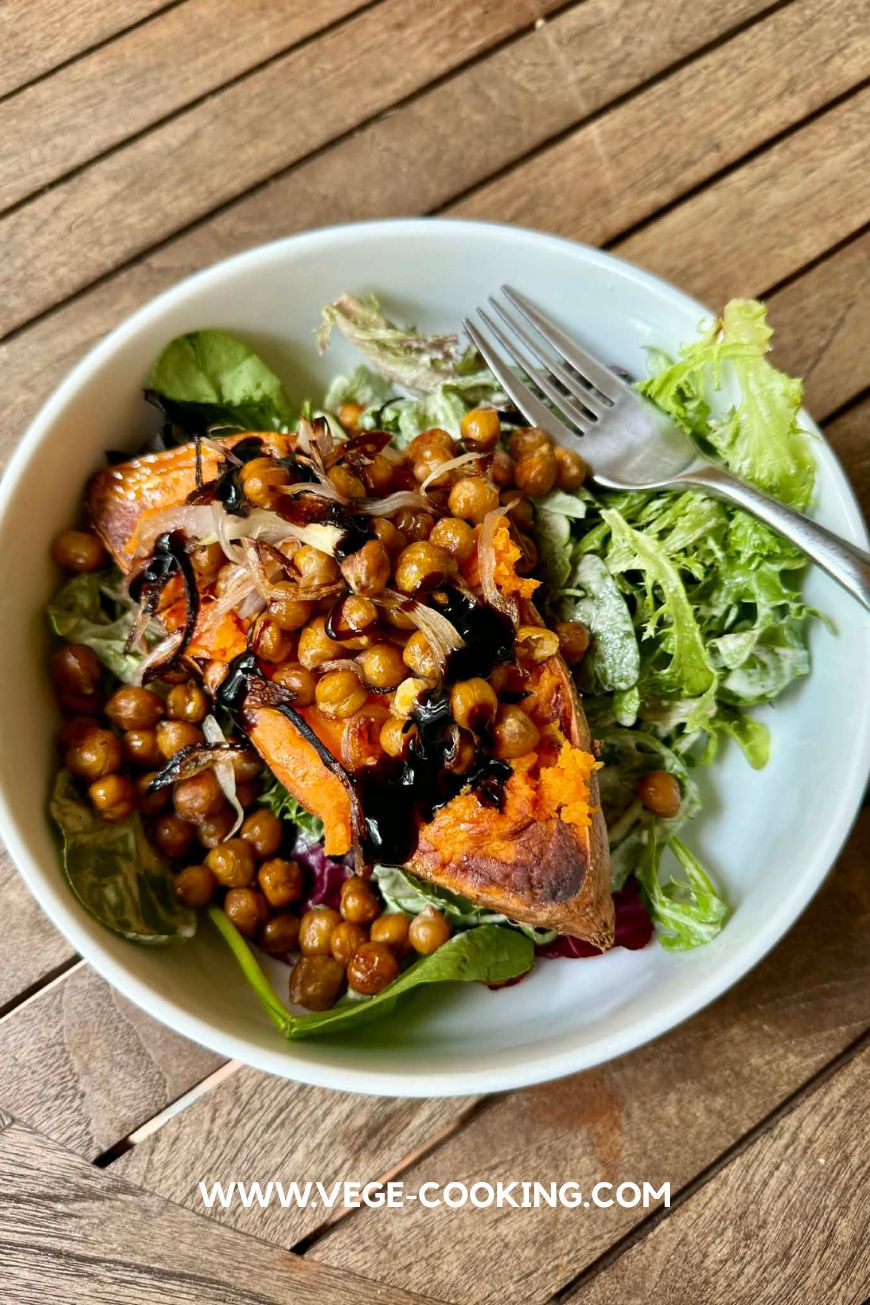
Plant‑Powered Buddha Bowl
Mixed greens (spinach, arugula) – 2
Roasted broccoli & cauliflower – 2
Sweet potato – 1
Quinoa & farro – 2
Chickpeas & black beans – 2
Red cabbage & carrots – 2
Pumpkin seeds & hemp seeds – 2
Tahini, lemon, garlic, cumin – 4
That’s 17 plant foods in one meal.
Add fruit for dessert and you’re basically winning the week.

Final Thoughts (and a Reality Check)
This is not about perfection.
Some weeks you’ll hit 35 plants. Some weeks you’ll hit 18.
What matters is shifting your mindset from:
“What should I eliminate?”
to:
“What plant can I add?”
More plants = more nourishment, more joy, and a gut that actually works with you.
And yes—you can absolutely do this while feeding a family, lifting weights, and living real life
Comments