


Microbiota-Accessible Carbohydrates (MACs): The Gut-Healthy Foods Most of Us Aren’t Eating Enough Of


You’ve probably heard that fiber is good for your gut—but what if the real story is about who that fiber is actually feeding? Recently, I learned about a term called Microbiota-Accessible Carbohydrates (MACs). I thought, Huh? How have I never heard of this??
MACs aren’t just “fiber” for digestion—they’re the in-tact carbohydrates that nourish the trillions of microbes living inside us, shaping everything from inflammation and metabolism to gut integrity (fighting leaky gut, like my daughter had) and long-term health. Once you understand MACs, it becomes clear why what we feed our gut bacteria may matter just as much as what we feed ourselves.

The term Microbiota-Accessible Carbohydrates, or MACs, was new to me!
Recently, I was listening to an episode of Simon Hill’s The Proof Podcast featuring microbiome scientist Dr. Suzanne Devkota, and I had one of those “Wait… how have I never heard this before?” moments.
The episode dives deep into what actually makes a gut microbiome healthy—not trendy supplements or expensive stool tests—but the everyday foods that nourish the microbes living inside us. One term that really stood out was Microbiota-Accessible Carbohydrates, or MACs.
Even though I spend a lot of time talking about fiber and gut health, this specific term was new to me. And it made me realize that if I hadn’t heard of it, many of you might not have either! So I wanted to dive in, learn more, and then break it down in simple, practical terms that we could wrap our heads around—what MACs are, where to find them, and why they matter so much for long-term health, where are they not found, what happens if we don't get enough of them. So. Many. Questions.
You can listen to the full podcast episode here: “How to Build a Healthy Gut Using the Latest Microbiome Science” – Suzanne Devkota, PhD
What Is Our Microbiome?
First let's define microbiome. Our microbiome is the collection of trillions of microorganisms—mostly bacteria—that live in and on our body. The largest population lives in our gut, especially in the colon.
These microbes aren’t just joy riding. They:
Help digest food (especially fiber)
Produce vitamins and beneficial compounds
Support your immune system
Influence metabolism, inflammation, and even mood
Each person’s microbiome is unique, shaped by factors like birth method, breastfeeding, early foods, antibiotic use, diet, lifestyle, and even who you live with.
What Are the Benefits of a Diversified Microbiome?
A diverse microbiome—meaning lots of different beneficial species—tends to be a resilient, healthy one.
Greater microbial diversity means we'll gain:
Better digestion and regularity
Stronger gut barrier function (“less leaky gut”)
Lower inflammation
Improved insulin sensitivity and metabolic health
Reduced risk of conditions like heart disease, type 2 diabetes, IBD, and colon cancer
Think of it like a rainforest versus a monoculture farm. The more variety you have, the more stable and adaptable the ecosystem becomes.

What Are Microbiota-Accessible Carbohydrates (MACs)?
Microbiota-Accessible Carbohydrates (MACs) are carbohydrates that we don’t fully break down, but our gut microbes can. Instead of being digested and absorbed in the small intestine, MACs travel to the colon where they become fuel for beneficial bacteria. SO cool.
Once there, gut microbes ferment these carbs, supporting their growth and activity.
This process produces short-chain fatty acids—including acetate, propionate, and butyrate—which play an essential role in maintaining gut lining integrity, regulating inflammation, and supporting overall metabolic health. Just as importantly, MACs help maintain a diverse and balanced microbial ecosystem, a healthy little village, which is a marker of a healthy gut.
How MACs are different than regular old fiber:
All MACs are fiber, but not all fiber functions as a MAC.
MACs: Fibers that are actually fermented by gut bacteria
They include a range of complex carbohydrates, such as certain fibers, resistant starches, and oligosaccharides
Other fibers: May help with bulking stool or regularity but don’t significantly feed microbes
MACs shift the focus from simply “getting enough fiber” to feeding the microbes that keep our gut—and the rest of our body—healthy. Consider the difference between the fiber in barley vs. the fiber in a Fiber One bar. (OMG, I used to love those things and eat them by the truckload.)

Who Coined the Term “MACs” and Where Did It Come From?
The term Microbiota-Accessible Carbohydrates was introduced by Dr. Justin Sonnenburg and Dr. Erica Sonnenburg, microbiome researchers at Stanford University.
They created the term to shift the focus away from just “fiber” as a nutrient and toward its biological role—feeding the microbiome. Their research showed that modern diets low in MACs can lead to:
Loss of microbial diversity
Extinction of beneficial microbes over generations
Long-term health consequences that may not be easily reversible
This reframed fiber not as optional—but as essential nourishment for our internal ecosystem.
How Can Eating More MACs Help Us?
Eating MAC-rich foods helps:
Increase microbial diversity (like we talked about above)
Boost production of short-chain fatty acids (especially butyrate)
Strengthen the gut lining and reduce gut permeability
Support immune regulation
Reduce inflammation
Improve metabolic health and visceral fat regulation (a huge WIN for those of us in perimenopause!)
Butyrate, in particular, is the preferred fuel for colon cells and plays a major role in maintaining gut barrier integrity—something Dr. Devkota discusses extensively in the podcast.
Where Is Fiber (and MACs) Found?
Fiber—and MACs—are found only in plant foods, especially whole, minimally processed ones:
Beans, lentils, chickpeas
Whole grains (oats, barley, brown rice, quinoa)
Vegetables (especially onions, garlic, leeks, asparagus, artichokes)
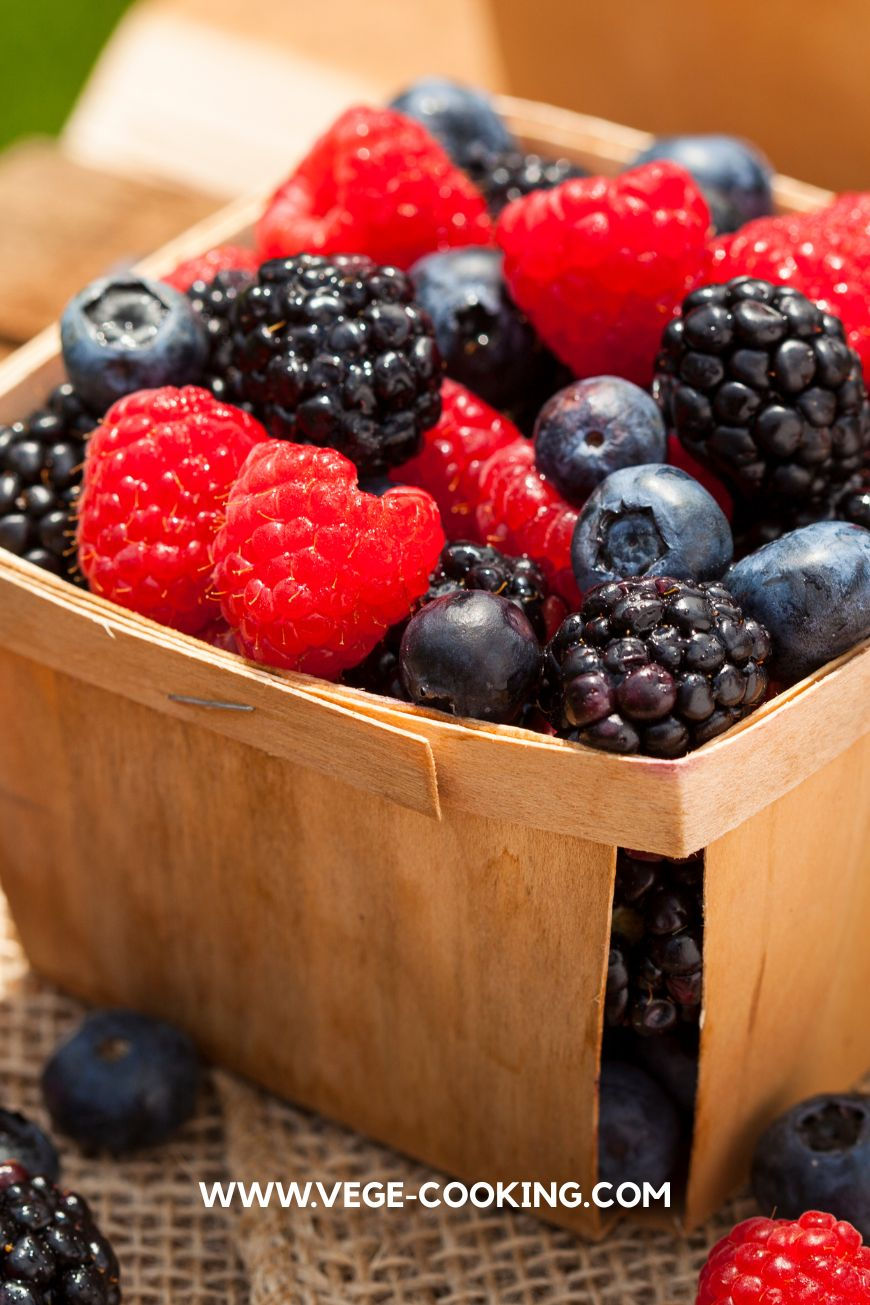
Fruits (berries, apples, pears, bananas)
Nuts and seeds
Root vegetables (sweet potatoes, carrots)
Different plants feed different microbes—another reason variety matters.

A Handy List of Microbiota-Accessible Carbohydrate (MAC) Foods for Ya
🫘 Legumes aka. Beans (Among the Most Powerful MAC Sources)
Legumes provide multiple types of fermentable fibers and consistently increase microbial diversity.
Lentils (all types)
Chickpeas (garbanzo beans)
Black beans
Pinto beans
Kidney beans
Navy beans
Cannellini beans
Great Northern beans
Adzuki beans
Mung beans
Lima beans
Split peas
Soybeans (edamame)
Lupini beans
🌾 Whole Grains (Intact or Minimally Processed)
Whole grains contain resistant starches and fermentable fibers that reach the colon.
Oats (especially steel-cut or rolled)
Barley
Farro
Rye berries
Wheat berries
Brown rice
Black rice
Wild rice
Sorghum
Millet
Quinoa
Buckwheat
Teff
Amaranth
Whole-grain corn (not refined corn products)
🥕 Vegetables (Especially Prebiotic-Rich Varieties)
Many vegetables are rich in inulin, fructans, and resistant starch.
All vegetables contain fiber, but these are especially MAC-rich:
Onions
Garlic
Leeks
Shallots
Scallions
Asparagus
Jerusalem artichokes (sunchokes)
Artichokes
Chicory root
Dandelion greens
Broccoli
Cauliflower
Brussels sprouts
Cabbage
Kale
Spinach
Carrots
Beets
Turnips
Parsnips
🍌 Fruits (Whole, Not Juiced)
Fruits provide fermentable fibers and polyphenols that microbes love. Remember to keep the skin on!!
Apples (with skin)
Pears
Bananas (especially slightly green)
Plantains
Berries (blueberries, raspberries, blackberries, strawberries)
Oranges
Grapefruit
Kiwi
Pomegranate seeds
Mango
Peaches
Plums
Cherries
Figs
Dates
🥔 Resistant Starch–Rich Foods
These are particularly potent MACs when cooked and cooled.
Potatoes (white, red, sweet) – cooked & cooled
Rice – cooked & cooled
Pasta – cooked & cooled
Oats – cooked & cooled (overnight oats)
Green bananas
Green banana flour
🌰 Nuts & Seeds
Nuts and seeds contain fermentable fibers plus beneficial fats and polyphenols.
Almonds
Walnuts
Pistachios
Pecans
Hazelnuts
Cashews
Peanuts
Chia seeds
Flaxseeds
Hemp seeds
Pumpkin seeds
Sunflower seeds
Sesame seeds
🌿 Herbs, Spices & Polyphenol-Rich Plants
While lower in fiber by weight, these strongly influence microbial composition.
Turmeric
Ginger
Cinnamon
Cloves
Oregano
Thyme
Rosemary
Sage
Parsley
Cilantro
Mint
Basil
Cocoa powder (unsweetened)
Green tea
Black tea
Coffee
🍄 Mushrooms (Unique MACs)
Mushrooms contain beta-glucans and chitin, which act as MACs.
Button mushrooms
Cremini
Portobello
Shiitake
Maitake
Oyster mushrooms
Enoki
Lion’s mane
MACs vs. Processed “Fiber” Products
✔️ Whole foods = complex, diverse MACs
❌ Fiber bars, supplements, and ultra-processed foods = limited to no microbial benefits
The microbiome thrives on variety, not isolated ingredients.

Takeaway
Here's my takeaway from all the MACs discussion...
Instead of asking:
“How much fiber am I getting?”
A better question is:
“How many different plant foods am I feeding my microbes this week?”
Aiming for 30+ different plant foods per week is one of the simplest, most evidence-based ways to increase microbiome diversity.

Where Is Fiber Not Found?
Fiber is not found in:
Meat, poultry, fish
Eggs
Dairy products
Oils (including olive oil)
Highly refined and ultra-processed foods
These foods may provide calories or protein, but they do nothing to nourish the microbiome.

What Happens Long-Term If We Don’t Eat Enough Fiber?
Chronically low fiber (and MAC) intake is linked to:
Reduced microbial diversity
Thinning of the protective gut mucus layer
Increased inflammation
Higher risk of heart disease, diabetes, colon cancer, and autoimmune conditions
Greater likelihood of constipation and digestive disorders
Alarmingly, the average American consumes less than half of the recommended fiber intake—and far less than what our microbiome evolved to expect.

The Big Takeaway
Supporting your gut health doesn’t require fancy supplements or expensive testing. It starts with feeding your microbes the foods they depend on—whole, fiber-rich, plant foods.
MACs remind us that when we eat well, we’re not just nourishing ourselves—we’re nourishing the trillions of tiny partners working behind the scenes to keep us healthy.
And that’s a relationship worth investing in.


Comments