


Fibermaxxing101: how to eat more fiber, avoid bloating, and build a simple high-fiber plant-based day.

Updated: Mar 16

If protein has been the loud, obnoxious kid in the nutrition classroom, fiber has quietly been doing the real work in the back.
Let’s talk about fibermaxxing, and why it might be the simplest, most powerful nutrition upgrade you can make.
What is fibermaxxing?
Fibermaxxing is the intentional practice of maximizing fiber intake through whole plant foods — fruits, vegetables, legumes, whole grains, nuts, and seeds.
It’s not a fad diet. It’s not a cleanse. It’s not a supplement protocol.
It’s simply asking: “How can I fill my plate with the most fiber-rich whole foods possible?”
And when you do that? Everything changes — digestion, metabolism, energy, hormones, even long-term disease risk.
Read this article about fibermaxxing from Tufts University!
[Click here to read the article] Published: March 8, 2026
What are the benefits of eating more fiber?
Fiber is one of the most under-celebrated nutrients in modern nutrition. Here’s what it actually does:
1. Improves gut health
Fiber feeds your beneficial gut bacteria, helping them produce short-chain fatty acids that reduce inflammation and support colon health. In addition, your microbiome makes up 70% of our immune system. A healthy microbiome means less illness.
2. Supports healthy weight loss
High-fiber foods are naturally lower in calorie density and higher in satiety. You feel full — without overeating.
3. Stabilizes blood sugar
Fiber slows glucose absorption, helping reduce spikes and crashes.
4. Lowers cholesterol
Soluble fiber helps pull LDL cholesterol out of the body.
5. Reduces disease risk
Higher fiber intake is associated with lower risk of heart disease, type 2 diabetes, certain cancers, and overall mortality.
6. Supports hormone balance
Fiber helps remove excess estrogen from the body — especially important for women in perimenopause and beyond.
How much fiber does the average American get right now?
The average American adult consumes only about 15–17 grams per day. That’s roughly half of what is recommended.
Why? Because the standard American diet is dominated by refined grains, added fats, animal products, and ultra-processed foods — all of which are low or completely devoid of fiber.
How much fiber is recommended?
According to the National Academies:
Women: 25 grams per day
Men: 38 grams per day
But here’s where it gets interesting…
How much fiber SHOULD we try to get?
Populations eating traditional plant-based diets regularly consume 40–60+ grams per day — and they have dramatically lower rates of chronic disease.
If you’re eating a whole-food, plant-based diet centered on:
Beans
Intact whole grains
Vegetables
Fruits
Nuts and seeds
…you will naturally land in the 35–60 gram range without counting.
For many adults, aiming for 30–50 grams per day from whole foods is both realistic and beneficial.
⚠️ Important: Increase gradually and drink adequate water. Your gut needs time to adapt. We'll talk more about that in a minute.

What foods do NOT have fiber?
Fiber is found ONLY in plants.
That means these contain zero fiber:
Beef
Chicken
Fish
Eggs
Dairy
Oils (even olive oil)
Butter
Highly refined white flour products
Sugar
If most of your plate comes from these foods, fiber intake will naturally be low.
Is it ok to get fiber from supplements?
Short answer: No — not as your primary strategy.
Fiber supplements:
Provide isolated fiber, not the full nutrient package
Don’t offer antioxidants, phytonutrients, resistant starch, and thousands of plant compounds
Don’t create the same microbiome diversity as whole foods
An apple is not the same as apple-flavored fiber powder. Whole foods give you the fiber + water + micronutrients + protective plant compounds all working together.
Supplements may occasionally help for specific medical conditions, but they should not replace real food.

🚨Warning 🚨
What is likely to happen if someone jumps from 12 grams a day to 45 overnight? Hello bloating. Hello cramping. Hello “I’m never eating beans again.” Let’s help your readers do this the smart way.
Important Things to Look Out for When Increasing Fiber
1. Ramp Up Slowly (This Is Non-Negotiable)
If you’re currently eating 12–15 grams per day, do NOT jump to 40.
Instead:
Week 1: Add 5 grams per day
Week 2: Add another 5 grams
Continue gradually until you reach your goal
Your gut microbiome needs time to adapt. When you feed it more fiber, bacteria multiply — and that process produces gas temporarily. This is normal. It’s not a sign fiber is “bad” for you. It’s a sign your gut is changing.
2. Increase Water Intake
Fiber without water = constipation.
As you increase fiber, increase fluids too. A good rule:
Add 1–2 extra glasses of water daily as fiber increases.
Soluble fiber absorbs water. Without adequate hydration, stools can become hard and uncomfortable.
3. Take Extra Care with Beans
Beans are fiber powerhouses — but they’re also rich in fermentable carbohydrates (especially smelly). That’s why they get blamed for gas.
Here’s how to reduce discomfort:
✔ Eat Fiber Early vs. Late
This is the tip that has personally helped me a lot. If I eat beans too late in the day, while my body is preparing for sleep, I tend to get more gas and bloating than if I eat them earlier in the day.
✔ Start Small
Begin with 2–3 tablespoons per meal instead of ½ cup.
✔ Rinse Well
If using canned beans, rinse thoroughly to reduce gas-producing compounds.
✔ Soak Dried Beans
Soak overnight, discard soaking water, cook in fresh water.
✔ Try Lentils First
Red lentils and split peas are often easier to tolerate than whole large beans.
✔ Consider Pressure Cooking
Pressure cooking reduces certain fermentable compounds more effectively than standard boiling.
✔ Chew Thoroughly
Digestion starts in the mouth. Large, poorly chewed bean pieces = harder work for your gut.
4. Temporary Bloating Is Normal — But Should Improve
Mild bloating during the first 1–3 weeks is common.
But it should:
Gradually decrease
Not be painful
Not interfere with daily life
If bloating worsens or persists beyond a few weeks, consider:
Slowing your fiber increase
Evaluating FODMAP sensitivity
Assessing underlying digestive conditions
5. Spread Fiber Throughout the Day
Don’t fiber bomb one meal. Instead of 40 grams at dinner, try 10–15 grams per meal.
Your gut handles gradual input much better than a single surge. (Reference back to eating fiber early. Eating super high-fiber foods earlier in the day has really helped me.)
6. Choose a Mix of Soluble + Insoluble Fiber
Different fibers behave differently.
Soluble fiber (oats, beans, chia) forms a gel and feeds bacteria.
Insoluble fiber (greens, cabbage, carrots) adds bulk and speeds transit.
A balance prevents both constipation and excessive fermentation. Whole plant foods naturally provide both.
7. Gentle Movement Helps
Walking after meals can reduce gas buildup and stimulate motility.
Even 10–15 minutes makes a difference.
8. Supportive Habits That Reduce Cramping & Bloating
Eat at regular intervals
Avoid overeating large meals
Limit carbonated beverages
Reduce ultra-processed foods (they disrupt gut bacteria)
Manage stress (the gut-brain connection is real)
Deep breathing before meals can actually improve digestion.
9. When to Be More Cautious
Individuals with:
IBS
IBD
Recent GI surgery
SIBO
Severe chronic constipation
Should increase fiber under medical supervision.
Fiber is powerful — but it must be individualized.
Adding Fermented Foods May Help
Fermented foods add the fiber-eating microbes to your gut to help digest all the additional fiber you're adding to your diet!
Examples include:
Yogurt with live cultures
Kefir
Sauerkraut
Kimchi
Miso
Tempeh
When consumed regularly, they may, improve microbial balance, support gut barrier health, enhance digestive enzyme activity, and reduce inflammation in some people.
The Big Reframe
If your gut isn’t used to fiber, discomfort doesn’t mean fiber is the problem. It often means your microbiome has been underfed.
Think of fiber like exercise for your gut. If you haven’t moved in years, the first workout feels hard. But over time? Stronger digestion. Less bloating. More regularity. Better overall health.

What might a daily meal plan look like?
Here’s an example day hitting ~45–55 grams of fiber:
Breakfast
Oatmeal (1 cup cooked)
Chia seeds (1 tbsp)
Ground flax (1 tbsp)
Blueberries (1 cup)
Raspberries (½ cup)
→ 15–18 grams
Lunch
Big salad: Mixed greens
Chickpeas (1 cup)
Quinoa (½ cup)
Red cabbage
Carrots
Pumpkin seeds
→ 15–18 grams
Snack
Apple + small handful almonds
→ 6–8 grams
Dinner
Lentil and vegetable stew (1–1½ cups lentils)
Steamed broccoli
Roasted sweet potato
→ 15–20 grams
No tracking apps. No stress. Just plants.
30 High-Fiber Foods to Add This Week
Here’s your fibermaxxing food list:
Beans & Legumes
Serving: ½ cup cooked
Lentils – 8g fiber | 9g protein
Black beans – 7.5g fiber | 7.5g protein
Chickpeas – 6g fiber | 7g protein
Navy beans – 9.5g fiber | 7.5g protein
Pinto beans – 7.5g fiber | 7.5g protein
Split peas – 8g fiber | 8g protein
Green peas – 4g fiber | 4g protein
Fibermaxxing tip: Beans are the ultimate two-for-one — high fiber AND high protein.
Whole Grains
Serving: ½ cup cooked
Oats – 4g fiber | 5g protein
Barley – 3g fiber | 2g protein
Quinoa – 2.5g fiber | 4g protein
Brown rice – 1.5g fiber | 2.5g protein
Farro – 3g fiber | 6g protein
Buckwheat – 2g fiber | 3g protein
Intact grains > flour products for fiber impact.
Nuts & Seeds
Serving: 2 Tbsp
Chia seeds – 10g fiber | 4g protein
Ground flaxseed – 4g fiber | 3g protein
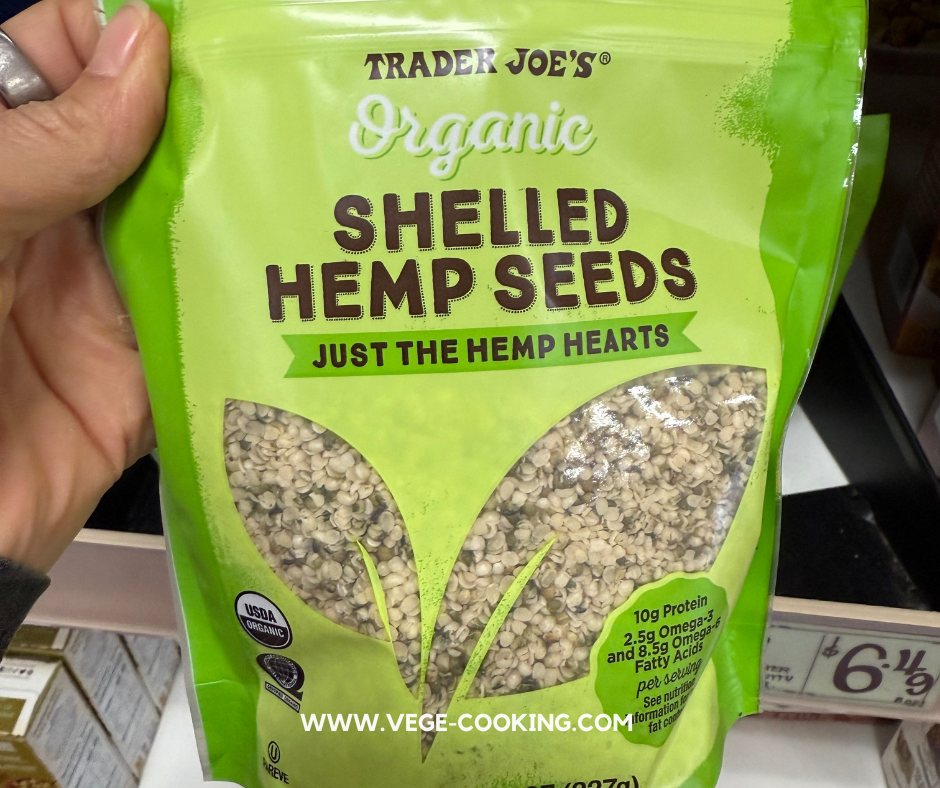
Hemp seeds – 1g fiber | 6g protein
Almonds – 3.5g fiber | 6g protein
Walnuts – 2g fiber | 4g protein
Chia is basically a fiber supplement disguised as food — but with real nutrients.
Loose / Cut Fruit
Serving: ½ cup
Raspberries – 4g fiber | 1g protein
Blackberries – 4g fiber | 1g protein
Blueberries – 2g fiber | 0.5g protein
Whole Fruit
Serving: 1 medium fruit
Pear (with skin) – 5–6g fiber | 1g protein
Apple (with skin) – 4g fiber | 0.5g protein
Orange – 3g fiber | 1g protein
Eat the skin. That’s where the fiber magic lives.
Healthy Fats That Actually Contain Fiber
Avocado (¼ fruit) – 3g fiber | 1g protein
Unlike oil, avocado still contains fiber + micronutrients.
Starchy Vegetables
Small sweet potato (with skin) – 4g fiber | 2g protein
Non-Starchy Vegetables
Serving: ½ cup cooked or chopped
Broccoli (½ cup cooked) – 2.5g fiber | 2g protein
Brussels sprouts – 2g fiber | 2g protein
Carrots (chopped) – 2g fiber | 0.5g protein
Red cabbage (shredded) – 1.5g fiber | 1g protein
Bonus heavy hitter:
Artichoke (1 medium) – 7g fiber | 3g protein
What This Means Practically
You don’t need huge portions.
Just this:
Oatmeal (½ cup dry → ~4g fiber)
1 Tbsp chia (5g fiber)
½ cup berries (4g fiber)
½ cup lentils (8g fiber)
1 apple (4g fiber)
1 small sweet potato (4g fiber)
½ cup broccoli (2.5g fiber)
You’re already at 30+ grams — before dinner.
And notice something important:
When you fibermax with whole foods, protein naturally comes along for the ride.
No powders required. No obsessing. No macro math gymnastics.
Final Thoughts: Fiber Is the Quiet Hero
If you do nothing else for your health this year, fibermaxx.
Don’t obsess over macros.
Don’t overcomplicate it.
Don’t chase the newest biohack.
Just build your meals around plants.
Your gut will thank you. Your hormones will thank you.
Your future self will thank you.
And if you’re raising kids? Teaching them to fibermax might be one of the greatest long-term gifts you give them.

Comments