


Edamame Spaghetti Recipes: 5 High-Protein Meals That Actually Taste Good

Updated: May 6
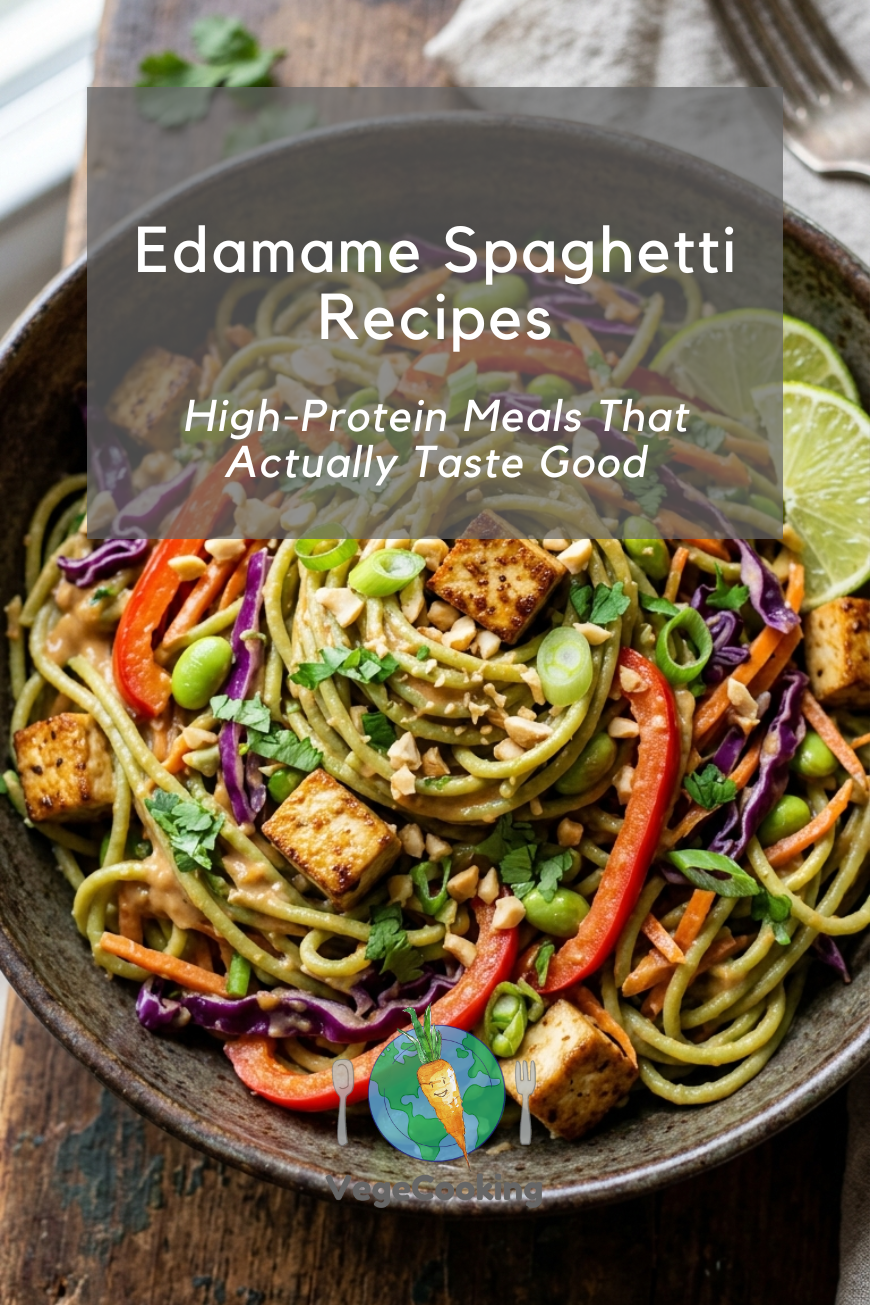
Edamame Spaghetti Recipes: 5 High-Protein Meals That Actually Taste Good
If you’ve ever bought a box of edamame spaghetti because the protein looked amazing… and then got home and thought:
“Okay but… what do I actually do with this?”
You're not alone.
Edamame spaghetti sounds like one of those super healthy, slightly suspicious foods that should be good in theory… but can go very wrong in practice.
The good news? It can be delicious.
When paired with the right sauces, veggies, and flavor combos, edamame pasta becomes one of the easiest ways to create a high-protein, high-fiber plant-based meal without spending all night in the kitchen.
If you’re trying to eat more plant protein, stay full longer, or just want healthier dinner ideas that don’t taste like punishment, these edamame spaghetti recipes are for you.
Just 2 ounces of this pasta delivers 180 calories, 3.5 grams of fat, zero cholesterol, zero sodium, 20 grams of carbs, 13 grams of fiber, no added sugar, and 24 grams of protein!! That means you’re hitting major nutrition goals with every serving. Plus, edamame noodles have a mild, slightly nutty taste that pairs well with many sauces and add-ins.
What Does Edamame Spaghetti Taste Like?
Edamame spaghetti does not taste exactly like regular pasta.
It has a slightly more earthy, nutty, bean-forward flavor, which is why it works best with:
bold sauces
creamy sauces
garlic-heavy dishes
lemony flavors
Asian-inspired sauces
savory veggie-packed meals
Don’t serve it plain with a sad scoop of marinara and expect magic.
It needs a little support. But once you know how to use it, it’s incredibly versatile.
If you’ve ever found yourself trying to “catch up” on protein at the end of the day, I created a simple tool to help you plan it out ahead of time using plant-based foods you already have on hand.
How to Cook Edamame Spaghetti So It Actually Tastes
Good
Before we get into the recipe ideas, this part matters.
Best tips for cooking edamame pasta:
Salt the water
Cook it just until al dente
Don’t overcook it (it can get soft fast)
Rinse briefly if it seems gummy
Toss it with sauce right away
Use enough moisture and flavor
What not to do:
Don’t leave it sitting dry in a colander
Don’t under-sauce it
Don’t expect it to behave exactly like white pasta
Think of it less like “normal spaghetti” and more like a high-protein noodle base.
That mindset helps a lot.
5 Full Edamame Spaghetti Recipes

1) Thai Peanut Edamame Pasta
Creamy, savory, a little sweet, a little spicy — and probably the most universally loved option on this list.
Ingredients
8 oz edamame spaghetti
1 red bell pepper, thinly sliced
2 cups shredded red cabbage
1 cup shredded carrots
1 cup shelled edamame
1 block extra-firm tofu, pressed and cubed
2 green onions, sliced
¼ cup chopped cilantro (optional)
2 tablespoons crushed peanuts or hemp hearts
Lime wedges, for serving
Peanut Sauce
¼ cup natural peanut butter
2 tablespoons low-sodium tamari
1 tablespoon lime juice
1 tablespoon rice vinegar
1 tablespoon maple syrup
1 teaspoon grated fresh ginger
1 garlic clove, minced
1 to 2 teaspoons sriracha
3 to 5 tablespoons warm water, to thin
Directions
Cook the edamame spaghetti according to package directions until just al dente. Drain and set aside.
While the pasta cooks, bake or pan-sear the tofu until lightly golden.
In a small bowl, whisk together all peanut sauce ingredients until smooth.
In a large bowl or skillet, combine the cooked pasta, red bell pepper, cabbage, carrots, edamame, and tofu.
Pour the sauce over everything and toss well to coat.
Top with green onions, cilantro, and crushed peanuts or hemp hearts.
Serve with fresh lime wedges.
Optional Swaps
Use almond butter or tahini instead of peanut butter
Add cucumber for a colder noodle bowl version
Skip tofu and add more shelled edamame for a simpler meal
Storage Tips
Store in the fridge for up to 3 days. This one is great cold or room temperature too.

2) Creamy High-Protein Alfredo Edamame Pasta
Creamy, cozy, and loaded with plant protein without feeling heavy.
Ingredients
8 oz edamame spaghetti
1 tablespoon water or broth for sautéing
8 oz mushrooms, sliced
3 cups broccoli florets
2 cups baby spinach
1 block extra-firm tofu, cubed or crumbled
Black pepper, to taste
Creamy Alfredo Sauce
1 (12 oz) package silken tofu
¼ cup nutritional yeast
½ cup unsweetened plain plant milk
2 tablespoons lemon juice
2 garlic cloves
1 teaspoon onion powder
1 tablespoon white miso (optional)
½ teaspoon salt, or to taste
Freshly ground black pepper
Directions
Cook the edamame spaghetti according to package directions. Drain and set aside.
Add mushrooms to a large skillet with a splash of water or broth and sauté until softened.
Add broccoli and cook for 3 to 4 minutes until tender-crisp. Add spinach and let wilt.
In a blender, blend all Alfredo sauce ingredients until smooth and creamy.
Add the cooked pasta and tofu to the skillet with the vegetables.
Pour in the Alfredo sauce and toss gently until heated through.
Season with black pepper and extra lemon if desired.
Optional Swaps
Use white beans instead of silken tofu in the sauce
Add peas or asparagus
Try tempeh instead of tofu
Storage Tips
Store in the fridge for up to 3 days. Add a splash of plant milk when reheating if needed.

3) Garlic Sesame Edamame Noodles
Fast, flavorful, and perfect when you need dinner to happen without drama.
Ingredients
8 oz edamame spaghetti
1 cup shelled edamame
1 cup shredded carrots
1 red bell pepper, thinly sliced
2 cups broccoli florets
2 green onions, sliced
1 tablespoon sesame seeds
Garlic Sesame Sauce
3 tablespoons low-sodium tamari
1 tablespoon rice vinegar
1 tablespoon tahini
1 teaspoon maple syrup
2 garlic cloves, minced
1 teaspoon grated fresh ginger
¼ teaspoon red pepper flakes
2 to 4 tablespoons warm water, as needed
Directions
Cook the edamame spaghetti according to package directions and drain.
Steam or sauté the broccoli until just tender.
In a small bowl, whisk together all sauce ingredients.
In a large bowl or skillet, combine the pasta, edamame, carrots, bell pepper, and broccoli.
Pour the sauce over the top and toss until everything is well coated.
Top with green onions and sesame seeds before serving.
Optional Swaps
Add baked tofu for even more protein
Use snap peas or bok choy instead of broccoli
Add cucumber and serve chilled
Storage Tips
Keeps well in the fridge for up to 3 days.

4) Lemon Garlic Spring Edamame Pasta
Fresh, bright, and one of my favorite options when I want something lighter but still satisfying.
Ingredients
8 oz edamame spaghetti
1 bunch asparagus, trimmed and cut into pieces
1 cup frozen peas
2 cups baby spinach or arugula
1 can cannellini beans, drained and rinsed
2 tablespoons chopped fresh parsley or basil
Black pepper, to taste
Lemon Garlic Sauce
3 tablespoons lemon juice
1 tablespoon lemon zest
2 garlic cloves, minced
2 tablespoons tahini or ½ cup blended white beans
¼ cup warm water
2 tablespoons nutritional yeast
½ teaspoon salt, or to taste
Directions
Cook the edamame spaghetti according to package directions.
During the last 2 to 3 minutes of cooking, add asparagus and peas to the pasta water.
Drain and return everything to the pot.
Stir in spinach or arugula and let it wilt from the heat.
In a small bowl, whisk together all sauce ingredients until smooth.
Add the cannellini beans and sauce to the pasta mixture and toss gently.
Finish with fresh herbs and black pepper.
Optional Swaps
Add roasted zucchini
Use white beans in place of tahini for a lower-fat version
Top with hemp hearts for extra protein
Storage Tips
Best fresh, but leftovers keep for 2 to 3 days.

5) Veggie-Packed Stir-Fry Edamame Noodles
A great “clean out the fridge” recipe that still feels like a real dinner.
Ingredients
8 oz edamame spaghetti
1 cup mushrooms, sliced
1 red bell pepper, sliced
2 cups broccoli florets
1 cup snap peas
1 cup shredded carrots
1 block extra-firm tofu, cubed
2 green onions, sliced
Stir-Fry Sauce
3 tablespoons low-sodium tamari
1 tablespoon rice vinegar
1 tablespoon chili garlic sauce or sriracha
1 teaspoon maple syrup
1 teaspoon grated ginger
2 garlic cloves, minced
1 tablespoon tahini or peanut butter
2 to 4 tablespoons water
Directions
Cook the edamame spaghetti according to package directions and drain.
In a large skillet, sauté the tofu until lightly golden and set aside.
Add mushrooms, bell pepper, broccoli, snap peas, and carrots to the skillet and cook until crisp-tender.
In a small bowl, whisk together all sauce ingredients.
Add the cooked noodles and tofu back to the skillet.
Pour the sauce over everything and toss until well coated and heated through.
Top with green onions before serving.
Optional Swaps
Use bok choy, cabbage, or zucchini instead of some of the vegetables
Add shelled edamame for even more protein
Make it spicier with extra chili sauce
Storage Tips
Store leftovers in the fridge for up to 3 days.
5 More Easy Edamame Spaghetti Ideas
Want even more ways to use it? Here are 5 more quick ideas:
6) Edamame Spaghetti Pesto Bowl
Toss with pesto, roasted zucchini, cherry tomatoes, white beans, and tofu cubes.
7) Spicy Gochujang Noodles
Mix with a creamy gochujang sauce, mushrooms, bok choy, carrots, and green onions.
8) Mediterranean Edamame Pasta Bowl
Combine with lemon tahini dressing, cucumber, tomatoes, spinach, chickpeas, parsley, and artichokes.
9) Veggie “Mac and Cheese” Style
Coat in a creamy veggie cheese sauce and add broccoli, peas, and baked tofu.
10) Marinara with Veggies and Tofu Ricotta
Top with marinara, sautéed mushrooms, zucchini, spinach, and dollops of tofu ricotta.
Best Vegetables and Protein Pairings for Edamame Spaghetti
If you want to mix and match your own meals, these pair especially well:
Best veggies:
Broccoli
Mushrooms
Bell peppers
Carrots
Bok choy
Snap peas
Spinach
Peas
Asparagus
Zucchini
Best protein add-ins:
Tofu
Tempeh
Shelled edamame
White beans
Hemp hearts
Crushed peanuts
Nutritional yeast
Best sauces:
Peanut sauce
Sesame-ginger
Tahini-lemon
Creamy tofu Alfredo
Pesto
Chili-garlic
Gochujang sauce
Marinara with extra veggies
Frequently Asked Questions About Edamame Spaghetti
Is edamame spaghetti healthy?
Edamame spaghetti can be a very healthy option, especially if you’re looking for a pasta that is naturally higher in protein and fiber than traditional pasta. It can help make meals more filling and balanced, especially when paired with vegetables and a flavorful plant-based sauce.
What does edamame spaghetti taste like?
Edamame spaghetti has a slightly earthy, nutty, bean-like flavor compared to regular pasta. It works best with bold, creamy, garlicky, lemony, or Asian-inspired sauces rather than very plain sauces.
How do you cook edamame spaghetti so it tastes good?
The best way to cook edamame spaghetti is to:
salt the water
cook it just until al dente
avoid overcooking
rinse briefly if it seems gummy
toss it with sauce right away
Edamame pasta usually tastes best when it’s paired with plenty of moisture and flavor.
What sauce goes best with edamame spaghetti?
Some of the best sauces for edamame spaghetti include:
peanut sauce
garlic sesame sauce
creamy tofu Alfredo
tahini lemon sauce
pesto
spicy gochujang sauce
marinara with extra veggies
Because the noodles have a stronger flavor than traditional pasta, they pair best with sauces that have a little personality.
Is edamame spaghetti gluten-free?
Many brands of edamame spaghetti are naturally gluten-free, but it’s always best to check the package label to make sure there are no added ingredients or cross-contamination concerns if that matters for your needs.
Is edamame spaghetti good for weight loss?
Edamame spaghetti can be helpful for weight loss or healthy eating because it naturally contains more protein and fiber, which can help meals feel more satisfying. The key is what you pair it with—adding veggies, a balanced sauce, and plant-based protein can help create a meal that keeps you full longer.
Can you meal prep edamame spaghetti?
Yes! Edamame spaghetti works well for meal prep, especially in recipes like:
garlic sesame noodles
Thai peanut pasta
veggie stir-fry noodles
Mediterranean-style pasta bowls
It’s usually best when stored with sauce so it doesn’t dry out.
What can I add to edamame pasta for more flavor?
A few easy ways to make edamame pasta taste better include:
garlic
ginger
lemon juice
tahini
peanut sauce
tamari
nutritional yeast
fresh herbs
chili sauce
sautéed mushrooms or onions
That’s usually the difference between “meh” and “make this again.”
Is Edamame Spaghetti Good for Weight Loss or Healthy Eating?
It can absolutely fit into a healthy eating pattern—especially if your goal is to build meals that are more filling, balanced, and protein-rich.
Because it naturally contains more protein and fiber than regular pasta, edamame spaghetti can help make meals more satisfying.
That said, the biggest difference usually comes from what you pair it with.
A bowl with:
edamame spaghetti
vegetables
a flavorful sauce
and a protein-rich topping
…is going to keep you full a lot longer than plain noodles with not much else going on.
That’s one of the reasons I like it so much for busy weeknights and easy lunch prep.
My Top 3 Favorite Ways to Use Edamame Spaghetti
If you’re not sure where to start, these are the three I’d try first:
1. Thai Peanut Edamame Pasta
The most universally liked.
2. Garlic Sesame Noodles
Fast, flavorful, and meal prep-friendly.
3. Creamy High-Protein Alfredo
Perfect if you want something cozy and satisfying.
Those are probably your safest bets if you’re trying to win over yourself… or other humans in your house.

Trying to hit your protein target without overthinking every meal can feel harder than it should be.
That’s exactly why I created the Plant Protein Planner—to help you map out your protein first, then build your meals around that.


Comments